Discovering Ourselves for better Mental Health
Many people tend to associate health with just the physical body. So, we try our best to avoid
physical illnesses like infections, and injuries like bone fractures and stiff knee joints.
However, there is also mental health, which involves our emotional, psychological and social
well-being. It affects how we think, feel and act/react, and determines how we handle stresses and
anxieties, relate to people, and make choices.
Are we born with good mental health? Or do we have to work on it to keep it healthy and functional,
in the same way as with our physical health? Just as we cannot exercise on behalf of someone else,
it is important that we learn to keep our own mental health intact.
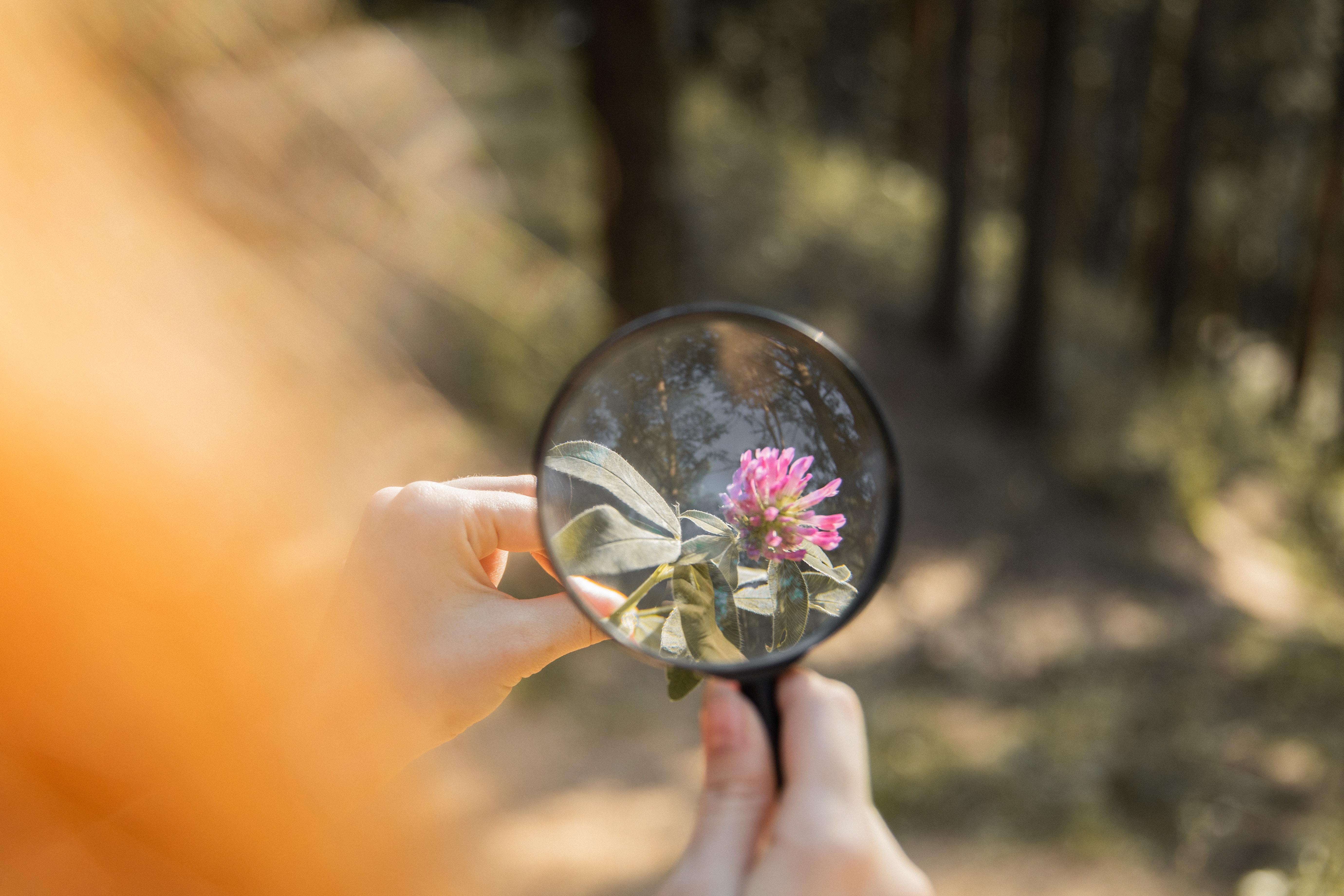
So, we begin with: Who Am I? Taking care of our mental health requires us to make the journey of
self-discovery. Many of us may avoid taking the inward journey to learn about ourselves, our
strengths and weaknesses, our blind spots, lingering effects of our childhood, teenage and family
experiences, our joys and sorrows. Yet, knowing more about ourselves can give an insight to how we
think and behave, and ultimately, relate to others and God.
As the saying goes, “hurting people hurt people”, and we often bring our own pains in life to the
relationships we are in if we are not healed. As integral human beings, our upbringing, schooling
life and lifestyle can affect the way we relate to others. We are often influenced by our own life
experiences and those around us, in the way we think and act. Thus, we consciously and unconsciously
bring our own hurts, joys, anger, resentment, jealousy, expectations put on us, into all our
transactions and relationships. While we can hide a lot of things behind a broad smile and an iron
mask, they have the uncanny sense of reaching bursting point when we least expect it if not managed
well.
The good news is that there are courses and retreats available that invite us to look into
ourselves, and see who we really are, and more importantly, to love and honour ourselves, as we are.
The journey of healing is not just limited to our physical bodies, but also to our mind and hearts.
When we are happy and accept ourselves, we become more willing to accept, respect and love others
with their warts and failings. Just as we bring who we are into what we do, other people also bring
who they are into what they do
The process of self-discovery is a challenging and exciting one indeed, and it is certainly not an
exercise to promote our egoism and self-importance. We learn to find our own voice, to accept
ourselves in our strengths and limitations, our triggers and how we react in various situations.
Some tips to help in this mental healing process include having good time management, a healthy
diet, adopting good coping skills, engaging in life-giving relationships and viewing obstacles in a
positive light.
Having a healthy mental health means giving yourself the chance to enjoy a rich, faith-filled, and
purposeful life.
“I have come so that they may have life and have it to the full.” (John 10:10)
About the writer:
Bailyne Sung is a former journalist and adjunct lecturer. She is currently practicing professional counselling as a volunteer in the Church of St Mary of the Angels and is the co-ordinator of its Coaching and Counselling Ministry, Outreach Office.